Goodbye navigation bar
We have just moved from “search and find” to “ask and get”. Today, if your visitor still has to click through three menus for information AI could give them in a second, you are stealing their time.
4 min read
Nobody wants to navigate your website any more. Everyone wants to talk to it
We have just moved from “search and find” to “ask and get”. Today, if your visitor still has to click through three menus for information AI could give them in a second, you are stealing their time. And your customer's time is the most valuable metric you have. True luxury is no longer a beautiful interface; it is not needing an interface at all. There is even a name for it: Zero UI. Next time you open Figma or Webflow, ask yourself one question: are you building a path or an obstacle?
Try this yourself: the last time you looked for something on a website, did you open the menu, click a category, then a subcategory, then filter by price? Or did you type exactly what you wanted into a search bar, hoping the website would understand?
If you are like most people, you typed. And this is where it gets interesting for you: more than 80% of businesses never optimise their internal search engine. In other words, the most profitable feature on your website is probably the one you have always ignored.
Menus: an old habit that no longer fits how people browse

A traditional navigation menu rests on a simple idea: visitors must understand how YOUR business organises information, then click in the right order to find what they need. The problem is that nobody wants to make that effort. People want to describe what they are looking for in their own words, not guess which box you put your product or service in.
Another telling figure: a query typed in natural language is, on average, three times longer than a traditional keyword search. “Men's shoes” becomes “I'm looking for comfortable shoes for walking around the city all day”. A basic internal search engine cannot handle that level of detail. A conversational assistant can.
What the big players already do, and why it works

You do not have to be Walmart to learn from what it does. In late 2023, Walmart built generative search by combining its sales data with Microsoft Azure OpenAI models. The idea: let a customer search for “everything to organise a dinosaur-themed children's birthday party” instead of typing “dinosaur balloons”, then “dinosaur cake”, then “dinosaur decorations” separately. The reported result: a marked acceleration in e-commerce growth in the months that followed.
Zalando took things even further. Since October 2024, the Zalando Assistant has been available across the brand's 25 markets, in 21 languages. The idea: a customer can ask “what should I wear to a spring wedding in Italy?” and receive a personalised selection, rather than manually filtering by colour, size and category. More than 2 million customers have already used the tool, and Zalando reports a reduction in product returns of up to 7% among assistant users: fewer mistaken choices, so fewer returns.
Airbnb has been testing the same approach since February 2026, helping travellers describe what they want rather than tick filters. The direction is clear: the web's biggest players are making visitors stop guessing and simply letting them ask.

Why this matters even more for a small business
You might think conversational tools are only for giants with data teams and seven-figure AI budgets. That is wrong; the opposite is true. A small business often has a catalogue or offering that is harder to navigate than it looks (several services, multiple options, special cases), alongside an overly simple menu structure that does none of it justice.
A visitor arriving on your website with a specific question (“do you work at weekends?”, “do you handle SEO too, or just design?”) does not want to dig through five pages for an answer. If they cannot find it in fifteen seconds, they leave for a competitor who made things clearer.

What you can actually do this week
You do not need to build an AI assistant worthy of Zalando to start benefiting. Here is where to begin:
Audit your internal search. If your website has a search bar, test it with real customer questions, not isolated keywords. Type a complete sentence, as a real visitor would. If the results are poor or nonexistent, you have found your number one priority.
Rethink your FAQ as a conversation, not a list. Instead of generic questions, use your customers' actual wording from emails, calls and Instagram messages. The closer your content is to people's real words, the more it surfaces, both in internal search and Google results.
Do not just add a chatbot; rethink navigation around conversation. The real lesson from Walmart, Zalando and Airbnb is not “add a chatbot in a corner of the screen”. It is to merge search and conversation into one entry point, so visitors have just one instinct: ask their question.
Measure what happens after a search with no results. If a visitor types something and gets zero results, that is a lost sale or enquiry. Almost nobody tracks this figure. Yet it is one of your website's most revealing indicators.
To sum up
Menu navigation has not died overnight, but it is losing ground to a simple expectation: being able to ask for what you want, in your own words, and get an answer. The Walmarts, Zalandos and Airbnbs of this world understand this and invest accordingly. For a small business, the challenge is not to copy their budget but their thinking: stop making visitors guess and start answering them.
Want to see whether your website makes visitors guess or really answers them? At Eazyclick, that is exactly the kind of audit we love doing.
You might also like these articles
-

Framer and AI agents: the end of websites that take 3 months to build?
Framer has just launched AI agents directly in its website builder. What this actually changes for you, and what it will never replace.
-

Eazyclick V03: we were building something big. It is live.
We unveiled Eazyclick V03 at our Summer is Calling evening. Today it is live: here is what it is.
-
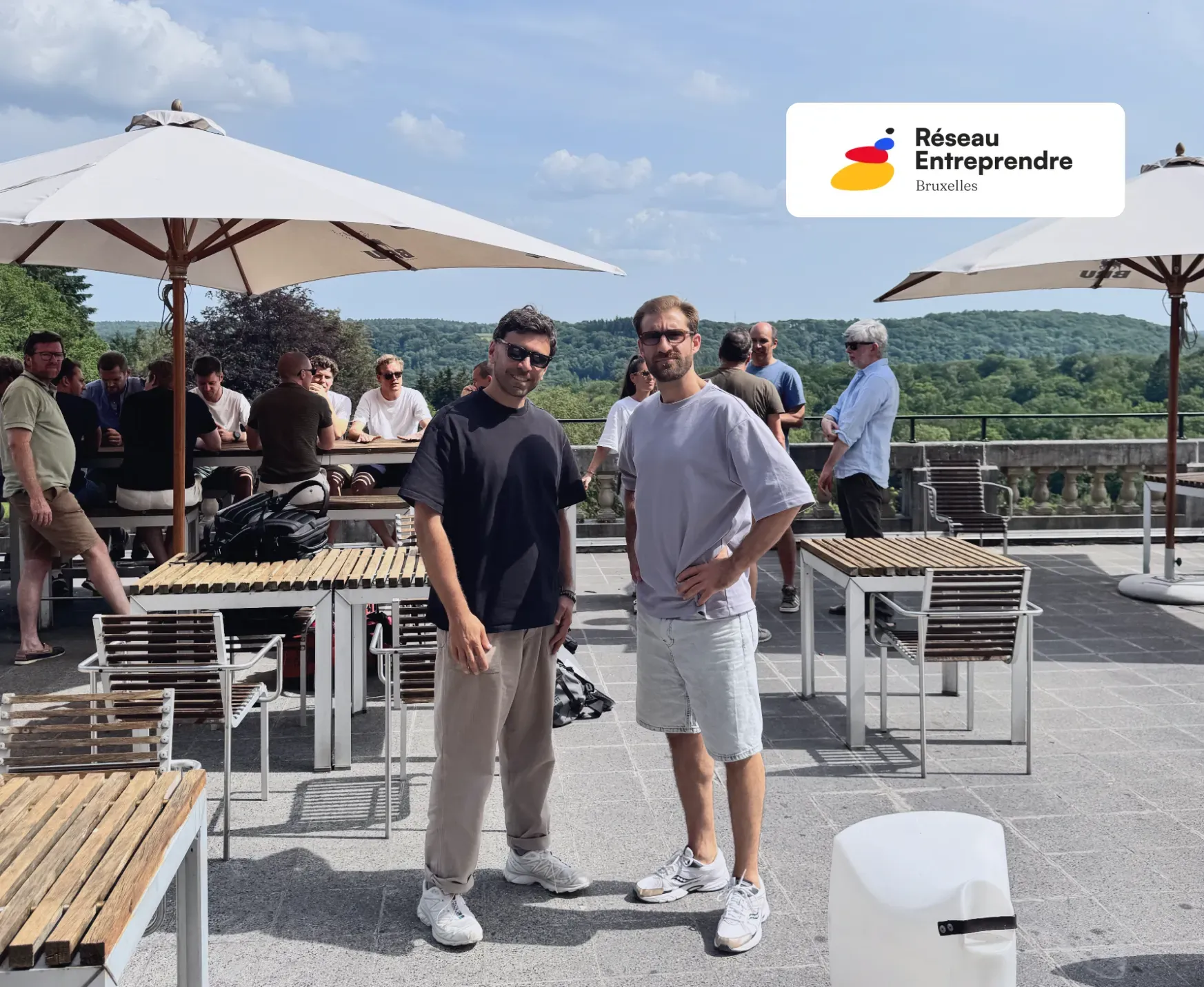
We joined a CEO storytelling bootcamp: 5 lessons that changed everything
We're a web agency. We code websites, design user experiences and optimise SEO. We're not personal development coaches.


Useful tips, straight to your inbox
Get the latest Eazyclick tips and join a community that shares, learns and moves forward together.
Thank you!
Your subscription is confirmed. The next tips will reach your inbox soon.

Further reading
- Topic


